



March 1, 2026
Receive a personalized quote quickly—simply fill out the form below!
A pergola can transform an ordinary backyard into a stylish and functional outdoor living space. Whether you want a shaded area for relaxing, an elegant spot for entertaining guests, or a beautiful structure to support climbing plants, a pergola offers both aesthetic and practical benefits. In New Jersey, where homeowners experience a mix of sunny summers, rainy seasons, and occasional snow, choosing the right pergola requires thoughtful planning. From materials and size to design and durability, several factors can help you select the perfect pergola for your backyard.
Before choosing a pergola, it is important to determine how you plan to use it. Some homeowners want a comfortable place for outdoor dining or relaxing with family, while others may envision a decorative garden feature that enhances landscaping. If your pergola will be used frequently for gatherings or outdoor meals, you may want to consider adding features like built-in seating, lighting, or shade coverings. Understanding the main purpose of the structure will help guide your decisions about size, materials, and overall design.
The size and layout of your backyard play a major role in selecting the right pergola. A large backyard may accommodate a spacious pergola that creates a defined outdoor living area, while a smaller yard might benefit from a more compact design that adds charm without overwhelming the space. It’s important to measure the available area carefully and consider how the pergola will fit with existing features such as patios, decks, gardens, or pools. A well-proportioned pergola should complement the surrounding landscape rather than dominate it.
Pergolas are available in several materials, each offering unique benefits and maintenance requirements. Wood pergolas are a classic choice known for their natural beauty and timeless appearance. Cedar and redwood are popular options because they resist decay and insects. Aluminum pergolas provide a modern look and require very little maintenance while remaining resistant to rust and weather damage. Vinyl pergolas are another low-maintenance option that offers durability and a clean appearance. When selecting a material, consider New Jersey’s seasonal weather conditions and choose one that will hold up well over time.
New Jersey weather can vary throughout the year, so durability is an important factor when choosing a pergola. Summers can be hot and humid, while winters may bring snow and freezing temperatures. Your pergola should be designed to withstand these conditions without significant wear or damage. Materials that resist moisture, warping, and corrosion are ideal for maintaining the structure’s appearance and stability. In addition, proper installation and secure anchoring help ensure the pergola remains strong during storms or windy conditions.
Pergolas can be built as freestanding structures or attached directly to your home. A freestanding pergola works well in open areas of the yard, creating a separate retreat that feels distinct from the house. This type of pergola is often used near gardens, pools, or outdoor seating areas. An attached pergola, on the other hand, extends from the home and provides shade for patios or decks directly outside the house. Choosing between these two styles depends on how you want to integrate the pergola into your outdoor space.
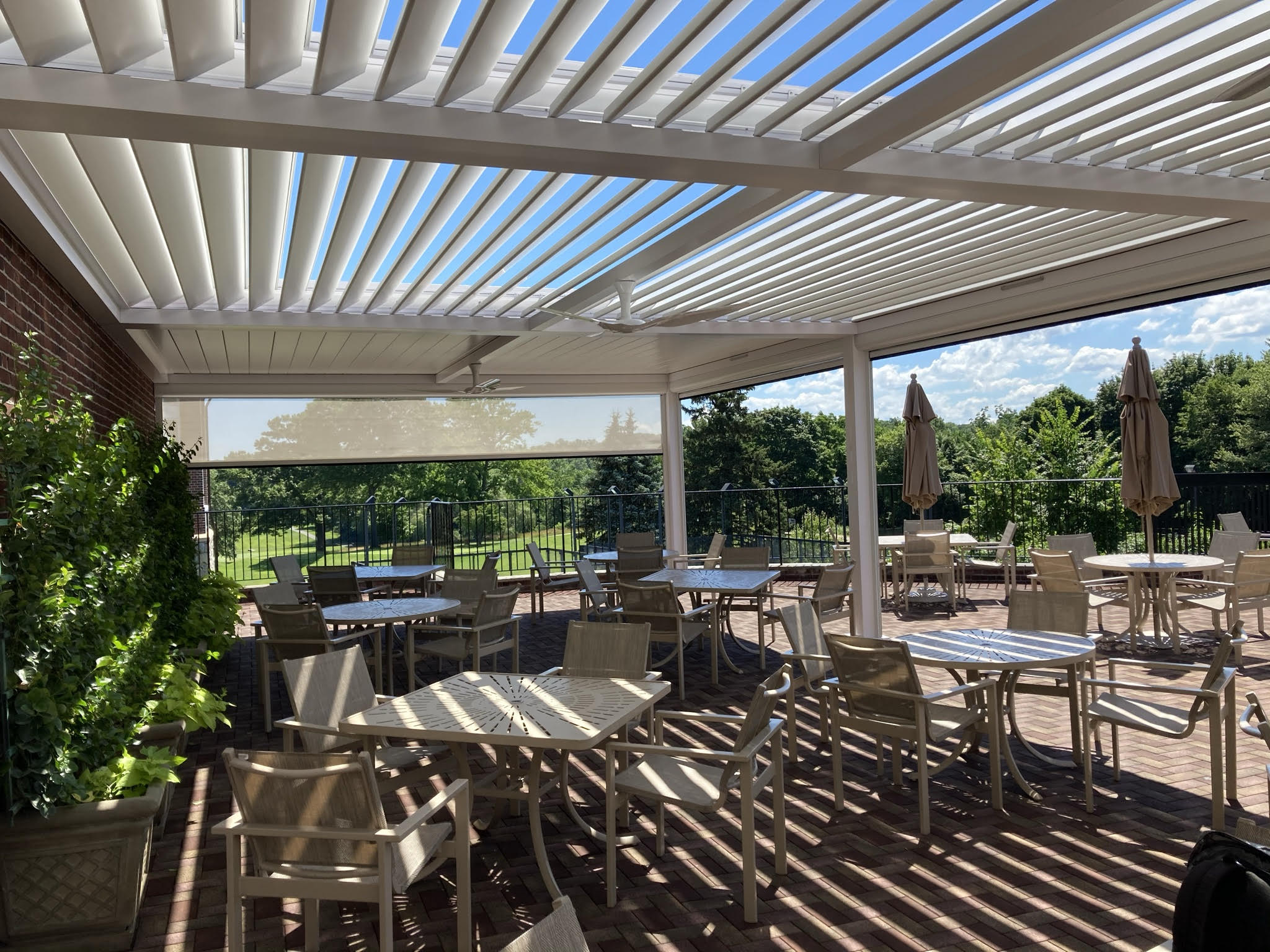
While pergolas provide partial shade with their open-beam design, many homeowners choose to add additional features for increased comfort. Retractable canopies, shade sails, or motorized screens can offer protection from strong sunlight while still allowing airflow. Climbing plants such as wisteria, ivy, or grapevines can also grow along the pergola’s beams, creating natural shade and enhancing the structure’s visual appeal. These additions make the pergola more comfortable and enjoyable during hot summer days.
A pergola should complement the architectural style of your home and blend naturally with your outdoor environment. Traditional homes often pair well with classic wooden pergolas that feature decorative columns and detailed craftsmanship. Modern homes may benefit from sleek aluminum or minimalist designs that emphasize clean lines. Choosing colors and finishes that coordinate with your home’s exterior helps create a cohesive and polished look.
Different pergola materials require varying levels of maintenance. Wooden pergolas may need periodic staining or sealing to protect them from weather damage and maintain their appearance. Aluminum and vinyl pergolas generally require less upkeep, often needing only occasional cleaning to remove dirt and debris. When selecting a pergola, it is helpful to consider how much time and effort you are willing to invest in maintaining the structure over the years.
Many pergolas can be customized to suit your specific needs and preferences. Options such as built-in lighting, ceiling fans, outdoor curtains, or integrated heaters can make the space more comfortable and functional. Some pergolas also allow for the installation of retractable roofs or adjustable louvers, which provide greater control over sunlight and shade. Custom features allow homeowners to create a unique outdoor space that fits their lifestyle and enhances their backyard experience.
Before installing a pergola in New Jersey, it is important to review any local building codes or permit requirements. Depending on the size and location of the structure, your municipality may require approval before construction begins. Homeowners associations may also have guidelines regarding outdoor structures. Checking these regulations in advance helps prevent delays and ensures your pergola project complies with local rules.
Although some pergolas are available as DIY kits, working with a professional installer can help ensure the structure is built safely and correctly. Experienced contractors understand how to properly anchor the pergola, level the structure, and secure it against weather conditions common in New Jersey. Professional installation also helps ensure that the pergola’s design integrates smoothly with your patio, deck, or landscaping features.
Choosing the right pergola for your backyard in New Jersey involves careful consideration of design, materials, functionality, and durability. By thinking about how you plan to use the space, evaluating your backyard layout, and selecting weather-resistant materials, you can create a pergola that enhances both the beauty and practicality of your outdoor living area.
A well-designed pergola adds character, comfort, and value to your property while providing a relaxing place to enjoy the outdoors. With the right planning and features, your pergola can become a centerpiece of your backyard—offering shade, style, and a welcoming environment for family gatherings, outdoor meals, and peaceful moments throughout the seasons.

Consult with a Remodeling Expert for Personalized Guidance and Exclusive Savings


© 2026 SRA Home Products | NJ License: 13VH00103700 | DE License: 2001101805 | PA License: PA004250
 (877) 373-7869